
Popular cities
Brisbane Prices & Cost of Living 2026
Australia · Big city — Brisbane is about 49% cheaper than New York. Not just exchange rates: what a fair price is, where it turns into a rip-off, and what that means in your money.
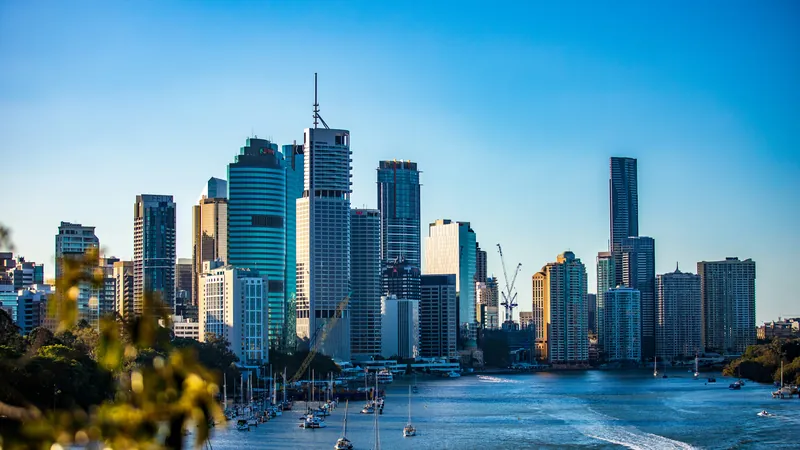
Brisbane prices at a glance
Just got quoted a price? Check it
Pick the item and type the price you were quoted or paid — instant verdict. If you actually paid it, you can share it right here.
Open in the app: see it in your money & log it ›Free · no sign-up · Rip-off guide

Brisbane travel difficulty
Fixed prices; tourist rip-offs are rare
English-speaking country; no language barrier
Airtrain, CityCat ferries, buses — tap a contactless card
Nearly cashless; small card surcharges are common
Generally safe; Fortitude Valley nightlife rowdy late
Good to knowTap your contactless card instead of a go card — and always tap off
Handy apps: Uber · DiDi
Visas depend on your passport, so they are not scored. Felt different on the ground? Tell other travelers below. Travel difficulty in Oceania › Difficulty ranking for 502 cities ›
In your money
Brisbane is about 49% cheaper than New York
Based on 8 things travelers buy most, compared with New York. Each pair of bars is the same purchase in both cities, converted to your currency. Set your own city and currency in “My basis” above.

Brisbane in numbers
- 🍜6.2 local meals
- ☕25 coffees
- 🍺12 beers
- 🚕8.3 5-km taxi rides
- 💆1.7 h of massage
- 🏨0.8 hotel nights
- Local meal37 min · New York 52 min
- Coffee9 min · New York 15 min
- Beer18 min · New York 23 min
- Taxi27 min · New York 59 min
- Transit#92 cheapest
- SIM card#205 cheapest
- Massage#165 priciest
- Entry ticket#13 priciest
- Half-day tour#39 priciest
Brisbane price guide & rip-off thresholds

Brisbane travel budget
Per person per day, estimated. Flights and shopping not included.
See 4-day, 1-week and 1-month budget tables › · Plan a multi-city trip budget ›
How to spend money in Brisbane
Cards and contactless are nearly universal.
Not required; about 10% for great service.
Prices include GST. Some cafés and restaurants add a Sunday or public-holiday surcharge.
Tap on public transport in Sydney and Melbourne with a transit or contactless card.
No haggling.
Tap water is safe to drink.
Rare. Some places add a 1–2% card surcharge.
Live prices reported in Brisbane
Loading…
FAQ
Is Brisbane cheaper than New York?
Across 8 things travelers buy most (meals, coffee, beer, taxis, hotels…), Brisbane is about 49% cheaper than New York. A local meal is about A$ 24 (≈ $16) and a coffee about A$ 6 (≈ $4).
How hard is Brisbane to travel?
Averaging rip-offs, language, getting around, payments and safety, Brisbane scores 1.4/5 — 'very easy'. Nothing stands out as hard. Tip: Tap your contactless card instead of a go card — and always tap off
Is Brisbane good for first-time travelers?
Yes — it is one of the easier places to travel (1.4/5). Tap your contactless card instead of a go card — and always tap off
What is a realistic daily budget for Brisbane?
Mid-range (3-star hotel, local meals plus a dinner out, two taxi rides) is about $248 a day. Guesthouses and street food bring it to about $96.6; 4-star and restaurants push it to about $506.
How much does it cost to live in Brisbane for a month?
A short-term studio (about $3,475) plus food, transport and a SIM (about $1,930) comes to roughly $5,404 a month. A local long-term lease (studio about A$ 2,300) brings it down a lot.
How much should a taxi cost in Brisbane?
For 5 km in town, expect A$ 14.4 – A$ 28.8; anything above A$ 34.6 is suspicious. Tap on public transport in Sydney and Melbourne with a transit or contactless card.
Do you tip in Brisbane?
Not required; about 10% for great service. Prices include GST. Some cafés and restaurants add a Sunday or public-holiday surcharge.
Can you use cards in Brisbane?
Cards and contactless are nearly universal.
Where do these numbers come from?
Base prices start from public cost-of-living data; once 3+ traveler reports come in, the app blends in the median of what people actually paid.
Fair range & rip-off line — each item gets its own spread (tight for transit, wide for street food). Above 1.2× the top of the fair range is flagged as a likely rip-off.
Budgets add up item prices for the lifestyle described above. Peak season and prime tourist spots run higher.
Exchange rate as of October 2026: 1 USD = A$ 1.5. Last updated 2026-10-05.